
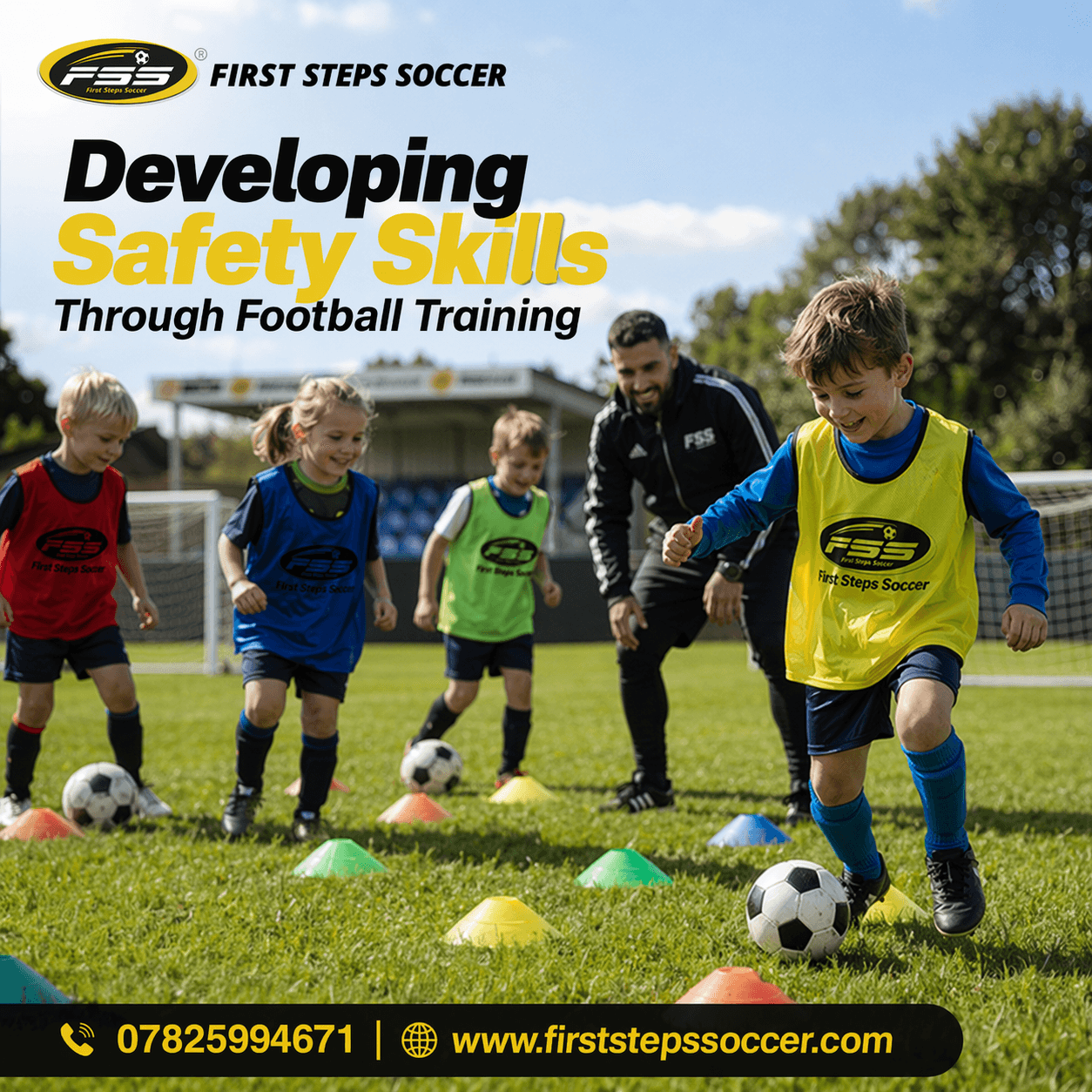
For young children, football is fun. They run, laugh, chase the ball, and celebrate every small success. Yet behind the fun sits something more valuable. The game quietly teaches habits that help children move safely through the world.
One of those habits is pitch awareness. In simple terms, pitch awareness means scanning the field and knowing where teammates, opponents, and the ball are at all times. A child learns to look up, check their surroundings, and make quick decisions.
These habits do not stay on the football pitch. They carry into everyday life. The same awareness that helps a child avoid a defender can also help them stay alert near roads, playground equipment, or busy spaces. That is one reason why many parents value structured programs like toddler football classes in Bristol. The lessons extend far beyond sports
The Scanning Habit
Football encourages children to look up often. A player who only stares at the ball quickly loses track of the game.
During training, coaches remind young players to scan the field. Children learn to lift their heads, check both sides, and notice where everyone stands. Over time, this becomes natural. Their heads stay active and their eyes move constantly.
This creates what coaches often call having your “head on a swivel.” It means the child keeps checking their surroundings instead of focusing on just one thing.
The benefit appears outside football as well. Children who practise scanning tend to look around more in daily situations. They check both directions before crossing the street. They notice moving cars in a car park. They become more aware when walking through busy areas.
In well-structured toddler football classes, these habits start early. Children practise simple activities that encourage them to move while observing their surroundings. The skill grows quietly with each session.
How football coaching helps kids in handling disappointment.
Spatial Proximity and Boundaries
Young children often struggle with personal space. They bump into each other during play or crowd around objects without noticing the risk.
Football helps them understand space in a practical way. On the pitch, players must stay aware of the distance. If they stand too close, they collide. If they spread out properly, the game flows better.
Training activities often involve moving around cones, teammates, or small obstacles. These drills teach children to adjust their position without crashing into others. Through repetition, children begin to sense where their bodies are in relation to others. They learn to judge distance quickly and make small adjustments while moving.
This awareness helps outside the pitch too. A child who understands space is less likely to run into someone on the playground. They notice when they are near the edge of steps or close to a moving swing.
Programs such as kid soccer training in Bristol support this learning in a safe setting. Children practise movement and spacing while coaches guide them gently. Over time, they develop a stronger awareness of physical boundaries in everyday environments.
Improved Reaction Times
Football moves quickly, even for young players. The ball changes direction, players shift positions, and decisions must happen in seconds.
Because of this, children learn to process visual information fast. They see the ball move, judge its path, and react with their feet or body. The brain and body begin working together more efficiently.
Training drills often focus on quick responses. A coach may roll a ball suddenly, call a direction, or introduce small challenges that require immediate action. These moments sharpen reaction time. Children become better at responding to unexpected situations.
In daily life, this skill matters more than many people realise. Imagine a parent calling out a warning near a road or asking a child to stop quickly near a hazard. A child with a faster reaction time can respond instantly.
Football builds this ability in a natural way. It does not feel like training. It feels like play. Yet each session quietly strengthens the connection between what children see and how their bodies respond.
Anticipating Movement
Another key part of pitch awareness is prediction. Good players do not only react. They try to read what might happen next.
Even young children are beginning to develop this skill. They watch where the ball is travelling. They notice when another player prepares to kick. They learn to move before the action fully happens.
This process is called anticipation. It means spotting patterns and recognising small clues. For example, a child may see an opponent winding up to pass the ball. They move early to intercept. The decision happens in seconds, but it relies on careful observation.
Anticipation plays an important role in everyday safety, too. Children who practise noticing movement become better at spotting possible risks. They may notice a cyclist approaching the pavement. They may recognise that a door is about to swing open. They may see another child running quickly across their path.
These small cues help children react sooner and avoid danger. In many ways, football helps them practise reading movement in a controlled and supportive setting
Explore how football coaching helps your kid build neural pathways.
Toddler Football Classes in Bristol
Football offers far more than physical exercise. It encourages awareness, quick thinking, and smart movement. These habits shape how children interact with the world around them.
Pitch awareness teaches children to scan their surroundings, respect space, react quickly, and anticipate movement. Together, these skills build a strong safety mindset. The game turns essential life instincts into something fun and engaging.
That is why many parents choose structured programmes. The sessions do more than teach children how to kick a ball. They help children become more aware, confident, and prepared for everyday situations.
If you would like your child to start building these skills early, consider booking a trial session. A football pitch can be a simple place to play, but it can also be the first step toward safer habits that last a lifetime.